
Why Do Some Windows Get So Hot in Direct Sunlight?


Key Takeaways
Direct sunlight affects some windows more than others.
Window direction plays a major role in heat exposure.
Glass and window construction can help manage heat transfer.
The right window features can improve year-round comfort.
Why Does One Window Feel So Much Hotter?
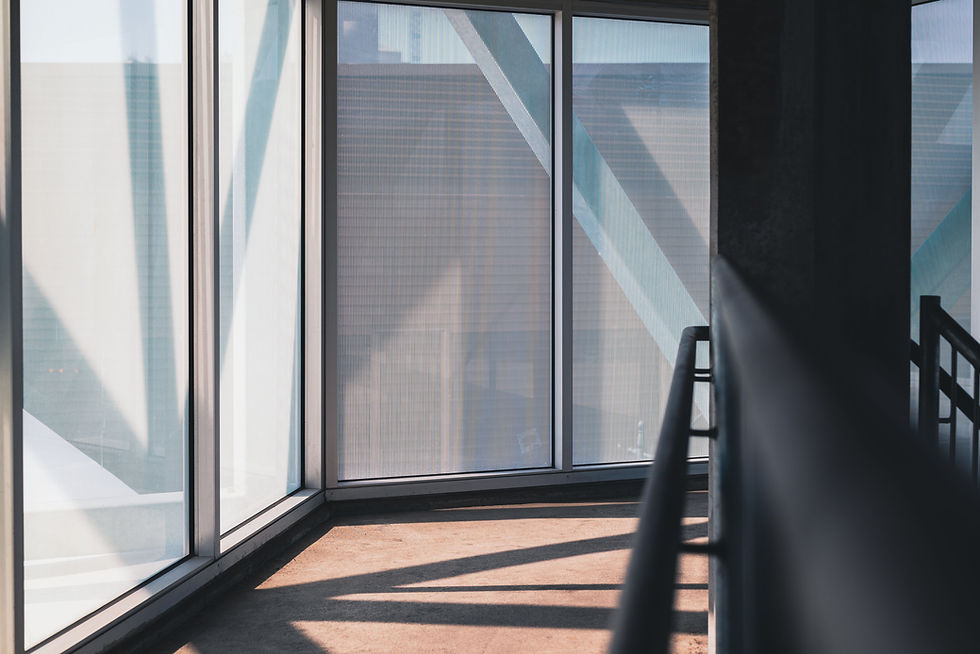
If you've ever walked through your house on a sunny afternoon, you've probably noticed that certain rooms feel completely different from others.
The living room might be comfortable all morning and noticeably warmer by late afternoon, or the couch beside a window might suddenly become the last place you want to sit. You may even touch the glass or frame and be surprised by how warm it feels.
That doesn't necessarily mean there's something wrong with the window. Windows are exposed to different amounts of direct sunlight depending on where they're located, and sunlight naturally carries heat with it.
The direction your windows face, the time of day, the amount of shade around your home, the type of glass, and the window's construction can all affect how much of that heat you notice indoors.
Some of those factors are completely outside of your control. You can't exactly turn your house around because the living room gets too much afternoon sun.
What you can do is understand why it happens and, when it comes time to replace your windows, know which features can help your home handle those conditions more effectively.
The Direction Your Windows Face Makes a Difference

One of the biggest reasons some windows get hotter than others has nothing to do with the window itself. It comes down to where the window sits on your home.
East-facing windows typically receive more direct sunlight in the morning, while west-facing windows get stronger afternoon and evening sun.
That afternoon exposure can be especially noticeable during the summer because the sun is hitting the glass during one of the hottest parts of the day.
South-facing windows can receive significant sunlight throughout the day, while north-facing windows generally experience less direct sun.
Of course, every home is a little different. Trees, neighboring houses, covered porches, roof overhangs, and even the slope of your property can change how much sunlight reaches a window.
That's why two rooms with similar windows can still feel very different throughout the day.
If you've always wondered why one side of your house seems warmer in July, start paying attention to when the sun actually hits those windows.
You may notice that the room getting uncomfortable at 4 p.m. is also the room taking the full force of the afternoon sun.
What Happens When Sunlight Comes Through Your Windows?
We want sunlight in our homes. Natural light can make a room feel brighter, more open, and more inviting.
The downside is that the light coming through your windows can also bring heat with it.
When sunlight passes through the glass and reaches your floors, furniture, walls, and other surfaces, some of that solar energy is absorbed.
Those surfaces warm up and can contribute to the overall temperature of the room. The more direct sunlight a room receives, the more noticeable that effect may become.
Large windows can make this particularly obvious. A room with several windows or a large expanse of glass has more surface area exposed to the sun than a room with one small window.
Add several hours of direct afternoon sunlight, and it's easy to understand why that room may feel warmer than another part of the house.
This doesn't mean homeowners need to choose between natural light and a comfortable home.
Modern window technology is designed to help manage heat transfer while still allowing you to enjoy the light and views that made you want those windows in the first place.
The Glass in Your Window Matters More Than You Might Think

When most people look at a window, the glass seems like the simplest part. In reality, today's window glass can do much more than give you a view outside.
Low-emissivity, commonly called Low-E, glass uses a thin coating designed to help manage heat transfer through the window.
During warm weather, the right glass package can help reduce the amount of unwanted solar heat entering the home.
During colder weather, energy-efficient window construction can also help reduce heat loss from inside.
Vinyl Kraft offers multiple Low-E glass options, including eK2 and eK366, allowing different glass packages to be considered based on the needs of the home.
That can be particularly useful when you're thinking about windows that receive a lot of direct sunlight.
It also helps explain why two windows that look almost identical can perform differently.
What matters isn't only the amount of glass you're looking through. The coatings, number of panes, space between those panes, and other components of the insulated glass unit all contribute to the way the window performs.
There's More to the Window Than the Glass
Glass gets most of the attention when we're talking about sunlight, but a window works as an entire system.
The frame, seals, spacer, glass, and other components all have a role in thermal performance.
Vinyl Kraft windows use Super Spacer® technology, an all-foam, no-metal spacer system used around the edge of the insulated glass unit.
The spacer separates the panes of glass and is designed to help improve thermal performance around the perimeter of the window.
That may not be the first feature you notice when you're shopping for replacement windows, but these smaller construction details are part of what separates one window from another.
A window has to perform through hot summer afternoons, freezing winter nights, and years of temperature changes in between.
That's why it's worth looking beyond appearance when comparing windows. Style matters, but so does what's happening inside the window where you can't necessarily see it.
Do Dark Window Frames Get Hotter?

Dark exterior windows have become a major design choice for homeowners, and it's easy to understand why.
Black and other dark finishes can add contrast to a home and work with everything from traditional brick to modern siding.
At the same time, most of us know from experience that dark surfaces can become hot in direct sunlight. A black car sitting outside in July is a pretty good reminder.
Naturally, homeowners considering dark vinyl windows may wonder whether that same heat can cause problems.
This is where the finish and the way the window was manufactured become important. Vinyl Kraft offers exterior color options that use heat-reflective technologies designed specifically with solar exposure in mind.
Its KolorLok 10 paint process uses pigments intended to reduce heat gain, while VLAM laminated finishes use cool-color technology designed to reflect solar radiation.
In other words, choosing a dark window isn't only about finding the right shade of black, bronze, or another exterior color.
You also want to know that the finish and the material underneath it were made to deal with the conditions they'll experience once they're installed on your home.
What About Black Windows?
For homeowners who want the bold look of black windows, Vinyl Kraft's Obsidian Series takes a different approach by using an all-black extruded vinyl frame paired with a durable exterior laminate.
UV inhibitors are incorporated into the product to help maintain its deep color over time.
The Obsidian Series is available as a double-hung window for replacement and new construction applications, and it also incorporates Vinyl Kraft's Super Spacer® technology.
A product like this shows why the details behind a window matter just as much as the finished look.
A black window installed on a sunny side of a home is going to experience years of direct sun and changing temperatures. Having materials and finishes designed with those conditions in mind becomes an important part of the equation.
And if black isn't the look you're after, Vinyl Kraft offers other window collections and exterior finish options that give homeowners plenty of flexibility without treating performance and appearance as two completely separate decisions.
Your Windows May Not Be the Only Reason the Room Feels Hot

If one room in your house consistently feels warmer than everywhere else, it's easy to point directly at the windows.
Sometimes they're part of the problem, but they're not always the entire problem.
Insulation, HVAC airflow, ceiling height, attic conditions, room location, and even the amount of electronics in a space can affect temperature.
A second-floor bedroom beneath a hot attic, for example, may already have a harder time staying comfortable before you even factor in several hours of west-facing sunlight.
Shade makes a difference, too.
One side of a house may have mature trees blocking much of the afternoon sun while another side is completely exposed.
Curtains, blinds, awnings, and roof overhangs can also change how much direct sunlight reaches the glass.
If a room suddenly becomes much hotter than it used to be, it's worth looking at the entire situation.
But if the windows are older, inefficient, difficult to operate, or already showing other signs of wear, they may be contributing more to the problem than you realize.
Can Replacement Windows Help With a Hot, Sunny Room?
Replacing windows won't change which direction your house faces, and it won't stop the sun from shining through them. What newer windows can offer is better technology for managing the conditions they're exposed to.
Features such as Low-E glass, insulated glass units, quality spacer systems, and properly constructed vinyl frames can all contribute to better thermal performance.
The goal isn't to make a sunny room feel like the sun doesn't exist. It's to reduce unnecessary heat transfer and help the home maintain a more consistent indoor environment.
This is also why it's useful to think about your specific home when choosing replacement windows rather than simply asking which window is "best."
A large west-facing window may have different considerations than a smaller north-facing window.
Your climate, exterior design, desired window style, and amount of sun exposure can all play a role in determining what makes sense.
Vinyl Kraft offers several replacement window options, including the Heritage Series, Legacy Series, and Diamond Select Series, along with different glass and exterior finish choices.
Those options make it possible to consider both how you want your windows to look and how you want them to perform.
Don't Ignore What Your House Is Telling You

A warm window on a sunny afternoon isn't automatically a reason to replace it.
Direct sunlight creates heat, and some sides of your home are simply going to experience more of it than others.
The bigger question is what happens to the room around that window.
If certain rooms are consistently difficult to keep comfortable, your HVAC system seems to work harder during sunny parts of the day, or your existing windows are showing other signs of age, it may be worth taking a closer look at their performance.
Understanding the reason behind the heat makes it easier to make a better decision when replacement time eventually comes.
Instead of choosing a window based only on appearance, you can consider the direction of your home, the amount of sunlight each area receives, the glass package, frame construction, exterior finish, and the other details that affect how a window performs over time.
Find the Right Windows for Your Home
Every home deals with sunlight a little differently.
The windows that spend all afternoon facing direct sun have different demands than the ones sitting comfortably in the shade, and choosing the right combination of glass, construction, style, and finish can make a difference.
Vinyl Kraft manufactures vinyl replacement windows with multiple series, glass packages, exterior finishes, and performance-focused features designed for different homes and applications.
Whether you're replacing one problem window or planning a larger home project, taking the time to understand your options can help you choose windows that look right on your home and are built to perform through plenty of sunny afternoons to come.


Comments