
Can New Windows Help Protect Furniture and Floors From Fading?


Have you ever moved a rug or piece of furniture and noticed that the flooring underneath looks noticeably darker than the area exposed to sunlight?
Or maybe you've noticed curtains, furniture, or artwork gradually losing some of their original color.
Sunlight can do more than brighten a room. Over time, exposure to ultraviolet (UV) rays and other parts of the solar spectrum can contribute to fading and discoloration inside your home.
While you probably don't want to keep the blinds closed all day, the right windows can help reduce the amount of damaging UV radiation entering your home.
Key Takeaways
Sun exposure can contribute to fading of flooring, furniture, fabrics, artwork, and other materials inside your home.
UV radiation is an important contributor to fading, although other factors such as visible light, heat, material quality, and exposure time can also play a role.
Low-E glass can help reduce the amount of UV radiation passing through a window.
Window performance matters especially in rooms that receive significant direct sunlight.
No window can completely prevent fading, but choosing the right glass package can help protect your home's interior while still allowing natural light inside.
Why Does Sunlight Cause Things Inside Your Home to Fade?
Fading doesn't usually happen overnight. Instead, repeated exposure to sunlight can gradually affect the dyes, finishes, and materials used in flooring, furniture, rugs, curtains, photographs, artwork, and other belongings.
The National Fenestration Rating Council (NFRC) explains that different window performance ratings can help homeowners understand how a window interacts with heat and light.
Factors such as the type of glass, coatings, and overall window construction can influence how much solar energy enters a home.
UV radiation is an important contributor to fading, but it isn't the only factor. Visible light, heat, the type of material, and the amount of time an item is exposed can all influence how quickly its appearance changes.
How Can Low-E Glass Help?
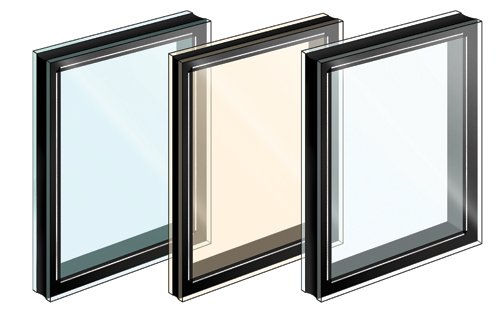
Low-emissivity, or Low-E, glass features a microscopically thin coating designed to affect how different types of energy move through the glass.
In addition to helping improve a window's thermal performance, Low-E coatings can reduce the amount of ultraviolet radiation transmitted through the glass.
This gives homeowners another layer of protection for the materials and belongings inside their homes.
Vinyl Kraft offers glass options designed to improve window performance while allowing homeowners to continue enjoying natural light.
The right glass package can be especially beneficial for rooms with large windows or areas that receive significant sunlight throughout the day.
What Parts of Your Home Are Most Vulnerable to Fading?
Some materials show the effects of sun exposure more noticeably than others.
Hardwood and certain types of flooring may change color over time, while upholstered furniture, rugs, curtains, and other fabrics may gradually lose their vibrancy.
Artwork, photographs, books, and decorative items positioned near sunny windows can also be affected by prolonged exposure.
The amount of fading can vary based on the direction your windows face, how much direct sunlight the room receives, the type of glass currently installed, and the materials inside the room.
Will New Windows Completely Stop Fading?
Even high-performance windows cannot completely eliminate fading. That's because UV radiation is only one of several factors involved.
However, replacing older windows with modern windows featuring appropriate glass packages can help reduce UV transmission while providing additional benefits related to comfort and energy performance.
The U.S. Department of Energy notes that energy-efficient window coverings and window technologies can also be used to manage sunlight and heat entering a home.
Combining well-performing windows with blinds, shades, curtains, or other strategies can provide additional protection in areas that receive intense sunlight.
Choosing the Right Windows for Your Home

When choosing replacement windows, it's worth thinking about more than how the window looks.
The glass package can play an important role in how the window performs once it's installed.
Consider which rooms receive the most direct sunlight, whether you've already noticed fading, and how you use each space.
A room with large windows and hours of afternoon sun may have different needs than a room that receives very little direct sunlight.
Vinyl Kraft manufactures vinyl replacement windows with glass and performance options designed for today's homes.
Understanding those options can help you choose windows that provide natural light while also helping protect the comfort and interior of your home.


Comments