
5 Signs Your Windows May Not Be Ready for Colder Weather


Key Takeaways
Drafts, sticking windows, worn seals, and uneven room temperatures can be signs your windows need attention before colder weather arrives.
Fall is a good time to inspect your windows and address small problems before winter makes them more noticeable.
If multiple issues are appearing at once, replacement windows may offer better long-term comfort and energy performance.
Fall is one of the best times to pay attention to how your windows are performing. The weather is starting to cool down, but the coldest temperatures of the year have not arrived yet.
That makes it easier to notice drafts, sticking windows, worn seals, and other issues that may become much more noticeable once winter sets in.
Windows play an important role in keeping your home comfortable throughout the year. When they are working properly, they help separate your indoor living space from changing outdoor conditions.
As windows age, however, normal wear and tear can affect their operation and energy performance.
Some window problems can be addressed with relatively simple maintenance, while others may indicate that the window itself is reaching the end of its useful life.
According to ENERGY STAR, old, drafty, degraded, or poorly performing windows can contribute to energy waste and make a home less comfortable during extreme weather.
Before temperatures drop further, take a few minutes to check the windows throughout your home. Here are five signs that your windows may not be ready for colder weather.
1. You Can Feel a Draft Around Closed Windows
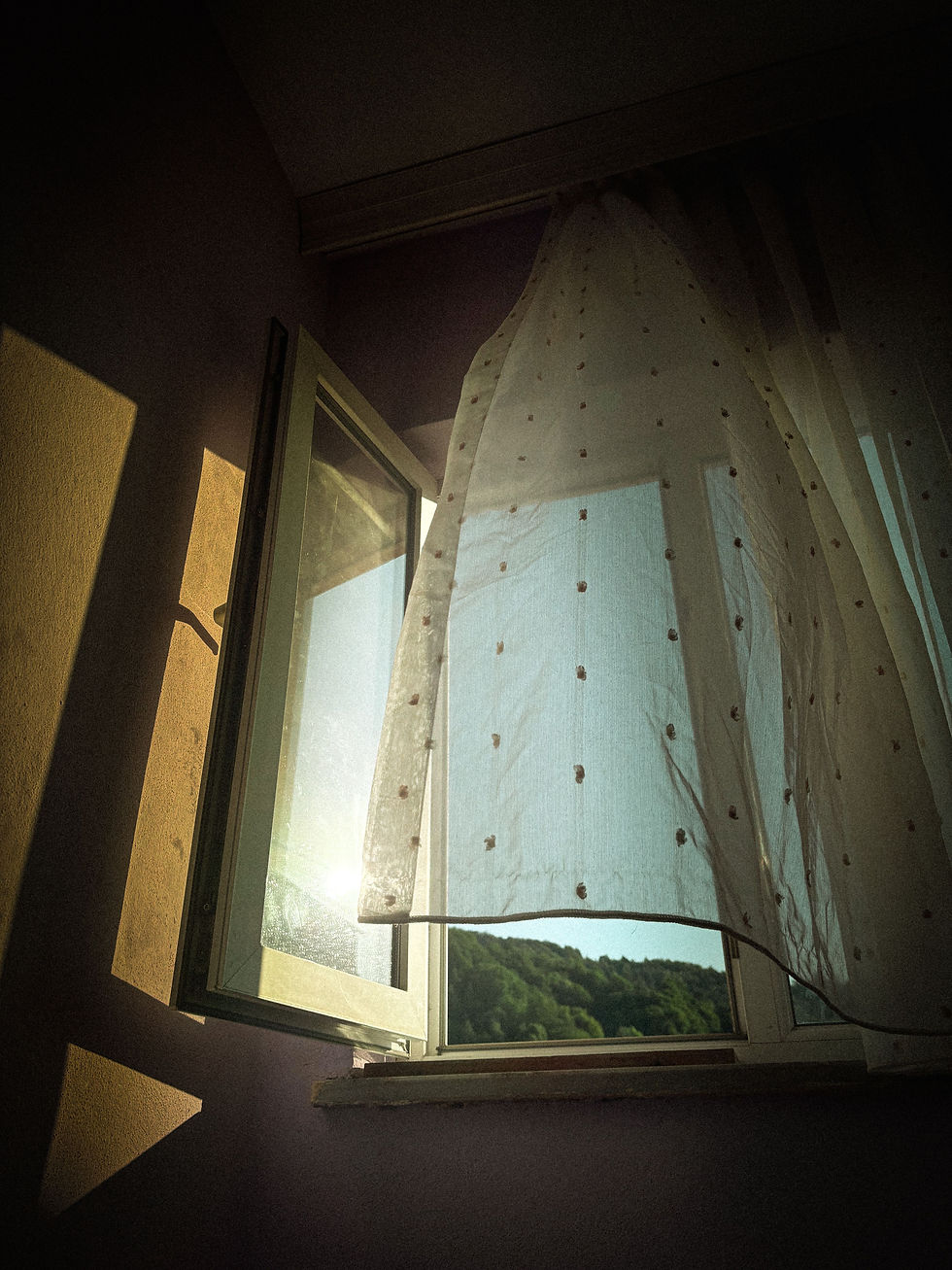
One of the easiest window problems to notice in the fall is a draft.
On a cool or windy day, stand near your closed windows and pay attention to whether you can feel outside air entering around the sash, frame, or trim.
You may notice that one part of the room feels cooler than the rest or feel a slight stream of air when you place your hand near the window.
Drafts can occur for several reasons. Weatherstripping can wear down over time, gaps may develop around the window, or an older window may no longer seal as tightly as it once did.
The U.S. Department of Energy notes that air leakage can vary based on the type and quality of a window's weatherstripping and seals and can increase over time as the window is used.
ENERGY STAR also identifies windows and doors as common locations for household air leaks. Although windows are not necessarily the largest source of air leakage in every home, a noticeable draft is still worth investigating.
Fall is particularly useful for finding these issues because the temperature difference between indoors and outdoors makes leaks easier to notice.
If you aren't sure whether a window is leaking, ENERGY STAR recommends a simple paper test. Close the window on a piece of paper and see how easily the paper moves.
If it slides back and forth easily, the window may not be sealing as tightly as it should.
Small gaps around otherwise functional windows may sometimes be addressed with new weatherstripping or appropriate sealing.
But if drafts are occurring because the window itself is deteriorated, damaged, or no longer closing correctly, it may be worth considering whether replacement windows would provide a better long-term solution.
2. Your Windows Are Becoming Difficult to Open, Close, or Lock

Windows should do more than provide a view.
They should also operate properly.
If a window has become increasingly difficult to open or close, will not stay in position, or requires excessive force to lock, something may be wrong with the sash, frame, hardware, or other components.
Sometimes these issues develop gradually, which makes them easy to overlook. You may become accustomed to pushing harder on one window or avoiding another window altogether because it is difficult to operate.
Fall is a good time to check every window in the home before colder weather arrives.
Open and close each window. Test the locks. Pay attention to whether the sash moves smoothly and whether the window closes completely.
A window that does not close properly may also have difficulty creating a tight seal.
Even a relatively small gap can allow unwanted air movement between the interior and exterior of the home.
ENERGY STAR lists windows that do not open properly among the indicators homeowners should consider when evaluating whether it may be time for replacement.
Windows that cannot be easily operated can also be more difficult to clean and maintain.
Do not assume that every sticking window automatically needs to be replaced.
Hardware or other components may sometimes be repaired. However, repeated operating problems combined with drafts, visible deterioration, or other signs of aging can indicate a larger issue.
Vinyl Kraft manufactures several window styles designed for different areas of the home, including double-hung, sliding, casement, awning, picture, and specialty windows.
Choosing the appropriate style and construction can help provide the functionality homeowners need while also improving the appearance of the home.
3. You Notice Worn Seals, Damaged Frames, or Other Visible Deterioration
Not every window problem is hidden.
A quick visual inspection can reveal a lot about the condition of your windows.
Walk through your home and look closely at the sash, frame, glass, locks, and surrounding areas. Then inspect the exterior where it is safe and practical to do so.
Watch for signs such as:
Cracked or deteriorating materials
Loose or damaged weatherstripping
Visible gaps around the window
Difficulty getting the sash to close completely
Peeling or damaged areas around the window opening
Moisture damage around the surrounding wall or trim
Cloudiness or moisture between panes of insulated glass
ENERGY STAR specifically identifies degraded sills and sashes, drafts, and air leaks as potential reasons to consider replacing older windows.
Deteriorated windows may also allow unwanted water or air into areas around the window opening.
Pay particular attention to moisture that appears between panes of glass rather than on the room-side surface.
Condensation on the interior surface of a window can sometimes result from indoor humidity and a cold glass surface.
ENERGY STAR explains that condensation occurs when a window's surface temperature falls below the dew point of humid indoor air.
Moisture or cloudiness trapped between panes can be a different issue and may indicate that the insulated glass seal has failed.
That distinction matters. Wiping condensation from the room-side glass is very different from dealing with moisture that is trapped inside an insulated glass unit.
If you are already noticing several forms of deterioration, fall gives you an opportunity to investigate the problem before winter temperatures make comfort issues more noticeable.
4. Certain Rooms Feel Noticeably Colder Than Others
Have you ever walked from one room to another during colder weather and immediately noticed a temperature difference?
There can be many reasons for uneven temperatures throughout a home, including insulation, HVAC performance, ductwork, air sealing, room orientation, and sunlight exposure. Windows can be one part of that equation.
Older or poorly performing windows can allow more heat transfer than modern energy-efficient designs.
Air leaks around windows can also create uncomfortable drafts.
According to ENERGY STAR, energy-efficient windows use materials and construction that reduce heat exchange and air leakage, decreasing the amount of energy needed to heat or cool a space.
If one room consistently feels colder, pay attention to the windows in that space.
Are they older than the windows elsewhere in the home? Can you feel drafts? Is the glass particularly cold? Are there visible gaps? Does the window close completely?
It is important not to automatically blame the windows for every comfort problem.
ENERGY STAR points out that some of the largest air leaks in a home can actually be hidden in attics and basements.
However, windows are still part of the home's overall building envelope, and their condition can affect comfort.
Modern window construction includes several features designed to improve thermal performance.
Depending on the product, these can include insulated glass, low-emissivity glass coatings, multiple panes of glass, insulated frames, and spacer systems.
Vinyl Kraft's Diamond Select Series is built on the company's 5500 platform and incorporates features designed around window performance and durability.
Looking at the complete window system, rather than focusing only on the glass, can be useful when comparing replacement options.
5. Your Windows Are Showing Their Age
Sometimes there isn't one dramatic problem. Instead, several smaller issues begin appearing at the same time.
Maybe one window is drafty. Another sticks when you open it. A few have worn weatherstripping. Certain rooms have become more difficult to keep comfortable, and you are beginning to notice deterioration around older frames.
Taken individually, each issue may seem relatively minor. Together, they can indicate that your windows are aging.
Windows are exposed to changing temperatures, sunlight, moisture, wind, and regular operation throughout their lives.
Over time, seals and weatherstripping can wear, hardware can become more difficult to operate, and older window technology may simply perform differently than newer products.
The U.S. Department of Energy explains that the energy performance of a window depends on several factors, including the glazing, frame, spacers, and the way the window operates.
If your windows are older, fall can be a good time to evaluate their overall condition instead of waiting for a particularly cold winter day to discover a problem.
Consider the complete picture:
Are drafts becoming more noticeable?
Do the windows still operate correctly?
Are the frames and seals in good condition?
Do certain rooms feel uncomfortable near the windows?
Is there moisture or cloudiness between the panes?
Are you repeatedly performing temporary fixes on the same windows?
If several of these issues are occurring, it may be worth exploring newer window options.
Why Window Construction Matters as Temperatures Drop
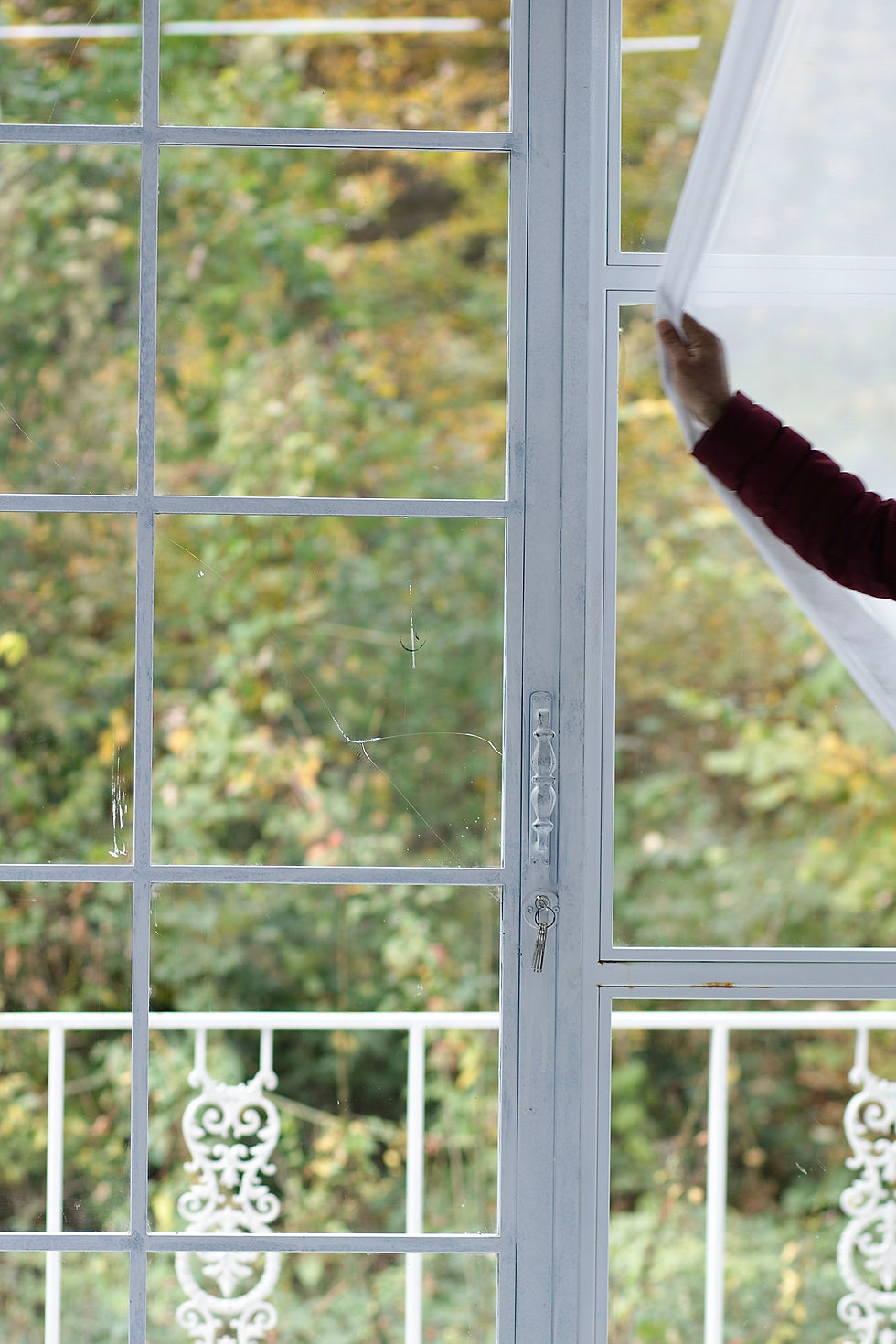
When comparing windows, it helps to understand that energy performance is not determined by one feature alone.
The frame, glass package, spacer system, seals, weatherstripping, and installation all work together.
One measurement homeowners may encounter when comparing windows is U-factor. ENERGY STAR explains that U-factor measures how well a window insulates. A lower U-factor indicates better insulating performance.
Air leakage is another consideration. This measurement describes how much air passes through joints in a window assembly. Lower air leakage means less air passes through those areas.
Insulated glass systems can also use specialized spacers around the edge of the glass.
Vinyl Kraft uses Super Spacer® technology in its window systems.
Warm-edge spacer technology is designed to reduce heat transfer around the perimeter of an insulated glass unit, an area that can otherwise be vulnerable to thermal transfer and condensation.
These details may not be something homeowners think about every day, but they become much more relevant when comparing window performance before colder weather.
Can You Fix Drafty Windows Without Replacing Them?
Not every draft means you immediately need new windows.
If the window itself is still in good condition, maintenance or air sealing may address certain problems.
ENERGY STAR recommends weatherstripping doors and windows and sealing appropriate gaps as ways to reduce air leakage.
Depending on the location and type of opening, caulk or other air-sealing materials may also be appropriate.
Before making repairs, determine where the air is actually coming from.
The draft could be passing through the window assembly itself, around the sash, or through gaps between the window unit and surrounding framing.
This distinction can help determine whether a simple repair makes sense or whether the underlying window has a larger performance problem.
Temporary fixes may improve comfort in some situations, but continually repairing a deteriorated window may not provide the same long-term performance as replacing a window that has reached the end of its useful life.
Why Fall Is a Good Time to Check Your Windows
You do not need to wait until the first freezing day of the year to find out that your windows have a problem.
Fall provides a useful transition period. Cool mornings and evenings can reveal drafts that were difficult to notice during summer.
At the same time, temperatures are generally more comfortable for inspecting exterior areas and taking care of maintenance around the home.
Use this time to walk through each room and perform a basic window check.
Open and close each window. Test the locks. Look at the weatherstripping. Feel around the frame on a cool day. Check the glass for unusual cloudiness or moisture. Look for visible deterioration.
Even if you do not plan to replace your windows immediately, understanding their current condition gives you a better idea of what to expect as winter approaches.
Choosing Windows for Long-Term Performance
If your fall inspection reveals that replacement makes sense, look beyond appearance alone.
Window style and color are certainly important, but performance features matter too.
Consider the frame construction, glass package, spacer technology, operating style, and performance ratings available for the window.
ENERGY STAR recommends considering climate when selecting energy-efficient windows because appropriate performance characteristics can vary based on where the home is located.
Proper installation is also important. Even a high-performing window may not deliver its intended results if gaps around the opening allow significant air or water infiltration.
Vinyl Kraft manufactures vinyl replacement and new-construction windows with options designed for a variety of homes and projects.
Homeowners can explore the company's window styles and product features to find options that match both the appearance and performance they are looking for.
Get Your Windows Ready Before Colder Weather Arrives

Fall is a good reminder to look at parts of your home that may have gone unnoticed during warmer months.
Your windows are a great place to start. A draft, sticking sash, deteriorated seal, uncomfortable room, or visibly aging window may not seem urgent during a mild October afternoon.
Once colder weather arrives, those same issues can become much more noticeable.
Take the time now to inspect your windows and determine whether they simply need a little maintenance or whether it may be time to start considering replacement.
If your current windows are no longer providing the comfort, operation, or performance you want, explore Vinyl Kraft windows to learn more about available styles, glass options, and performance features for your home.


Comments